 EN
EN English
 русский
 Español
 عربى
عربى
 Online Message

In the hotel industry, bed sheets are not just functional items, but also an important part of the guest's accommodation experience. Comfortable and soft bed sheets can improve the guest's sleep quality and have become an important symbol of the hotel's high-quality service. As consumers' requirements for the hotel accommodation experience increase, the materials of hotel bed sheets are becoming more and more diversified. Different materials of bed sheets not only differ in comfort, durability and ease of cleaning, but also affect the overall quality and brand image of the hotel.
1. Common Materials of Hotel Bed Sheets
(1) Pure Cotton Bed Sheets
Advantages:
Pure cotton bed sheets are the most common material in hotels. They are loved by consumers because of their naturalness, comfort and good breathability. Pure cotton has strong moisture absorption, which can effectively regulate temperature and keep dry, making it especially suitable for use in various climates. Pure cotton is soft and comfortable to the touch, providing a "skin-friendly" feeling, and is the choice closest to a natural sleep experience.
Disadvantages:
Although pure cotton bed sheets are very comfortable, their tendency to wrinkle and shrink cannot be ignored. Under the high-frequency washing and use conditions in hotels, pure cotton sheets may easily fade, pill, and deform. Furthermore, pure cotton sheets have relatively weak durability and may lose their original luster and softness after long-term use.
Suitable for: Due to their comfort and naturalness, pure cotton sheets are widely used in high-end and boutique hotels. They are especially suitable for customers seeking a natural and comfortable experience.
(2) Polyester-cotton blend sheets
Advantages:
Polyester-cotton blend sheets are woven from a blend of polyester and cotton, combining the advantages of both fibers. Polyester has strong wrinkle resistance and durability, while cotton provides a comfortable feel and breathability. Polyester-cotton blend sheets are not prone to fading and are not easily deformed after washing, making them highly durable and suitable for hotels that require frequent washing.
Disadvantages:
Although polyester-cotton blend sheets have good durability, their breathability and moisture absorption are slightly inferior to pure cotton sheets. Especially in hot and humid climates, polyester-cotton blend sheets may not be as refreshing and comfortable as pure cotton sheets.
Suitable for: Polyester-cotton blend sheets are suitable for mid-range hotels, especially those places that require frequent washing and high durability. This material offers good value for money and meets the needs of frequent daily use.
(3) High-thread-count, high-density sheets
Advantages:
High-thread-count, high-density sheets use high-count and high-density textiles, typically made from high-quality pure cotton fibers. These sheets are very soft and smooth to the touch, with a strong sheen and excellent durability, maintaining their original quality and appearance for a long time. The quality of high-thread-count, high-density sheets is far superior to ordinary pure cotton sheets, giving a luxurious and high-end feel.
Disadvantages:
High-thread-count, high-density sheets are more expensive, requiring more craftsmanship and finer materials in their production, thus increasing their cost. Furthermore, these sheets require more careful washing and gentle washing methods to maintain their texture.
Applications: High-thread-count, high-density sheets are suitable for five-star and high-end luxury hotels, providing guests with the highest quality sleep experience and enhancing the overall hotel image. Their softness and sheen are part of the hotel's premium service experience.
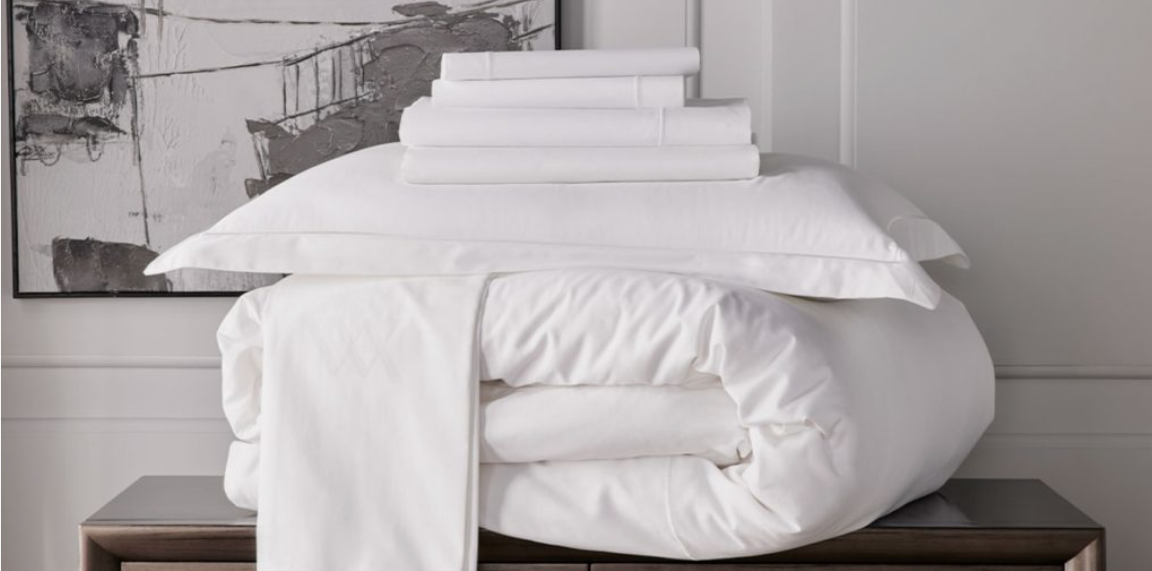
2. Selection Criteria for Hotel Sheet Materials
(1) Comfort
Comfort is the primary criterion for selecting sheet materials. Most guests are most concerned about the comfort of bedding when staying at a hotel. Pure cotton and bamboo fiber sheets excel in softness and comfort due to the characteristics of their natural fibers. While high-thread-count, high-density sheets have a superior feel, their stiffer texture may not suit all guests' needs.
(2) Durability and Wrinkle Resistance
Hotel sheets require frequent washing, therefore, the durability and wrinkle resistance of the material are crucial. Polyester-cotton blend sheets are suitable for frequent washing and use due to their strong durability and good wrinkle resistance. While high-thread-count, high-density sheets and pure cotton sheets are comfortable, they are more prone to fading and wrinkling, requiring careful maintenance.
(3) Breathability and Moisture Absorption
Breathability and moisture absorption directly affect sleep quality, especially in summer or humid environments, where the breathability and moisture absorption of bed sheets are even more important. Pure cotton and linen sheets have excellent breathability, effectively wicking away sweat and keeping the user dry. Bamboo fiber sheets also have good moisture absorption and antibacterial properties, making them suitable for hot and humid climates.
(4) Environmental Friendliness
With increasing environmental awareness, more and more hotels are choosing bed sheets made of environmentally friendly materials. Bamboo fiber and linen sheets, due to their natural and renewable characteristics, have become the preferred materials for many high-end eco-hotels. While polyester-cotton blend sheets are more durable, their manufacturing process may involve synthetic fibers, resulting in relatively poor environmental friendliness.
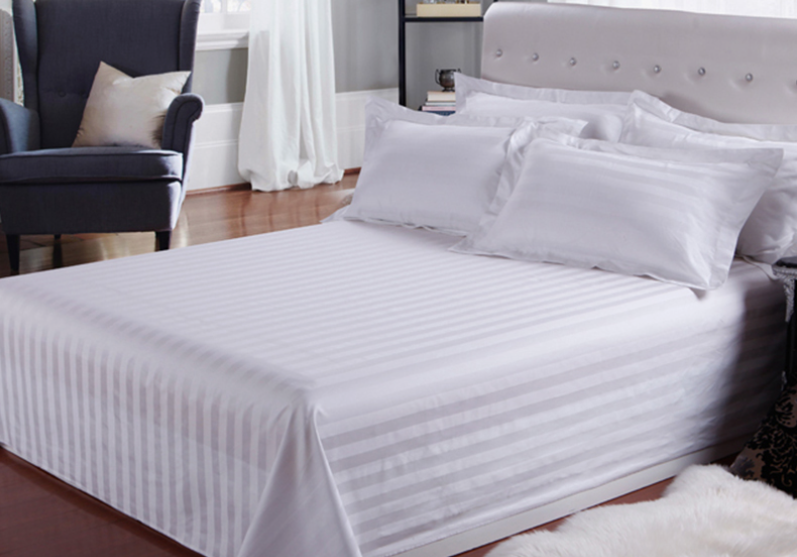
3. Maintenance and Care of Hotel Bed Sheets
In hotel management, bed sheets are one of the key factors that directly affect customer comfort, making their maintenance and upkeep particularly important. Clean, comfortable, and durable bed sheets not only enhance the guest's accommodation experience but also strengthen the hotel's overall image. To ensure that hotel bed sheets remain in optimal condition, reduce the cost of frequent replacements, and extend their lifespan, hotel managers need to conduct professional maintenance and upkeep.
(1) Basic Principles of Hotel Bed Sheet Cleaning and Maintenance
Regular Cleaning to Ensure Hygiene
The frequency of cleaning hotel bed sheets directly affects the guest's stay experience. High-star hotels typically change bed sheets after each guest's stay, while some mid-range hotels may change them periodically based on occupancy rates. The frequency of cleaning hotel bed sheets should be determined based on the frequency of room use. Generally, bed sheets should be changed immediately after each stay to maintain the hotel's hygiene and cleanliness.
Use Appropriate Cleaning Agents
Different bed sheet materials have different requirements for cleaning agents. Hotels should choose mild detergents and avoid using strong cleaners containing bleach, as these can damage fibers and cause fading. For natural fibers such as cotton, linen, and bamboo fiber sheets, choose mild detergents specifically designed for these materials to ensure they do not compromise their natural absorbency and comfort.
Color-Separate Washing
To maintain the cleanliness and color of sheets, hotels should follow the principle of color-separate washing. Especially for darker or brightly colored sheets, they should be washed separately to avoid fading or staining lighter-colored sheets. New sheets, in particular, should be treated separately during the initial wash to reduce the risk of fading.
(2) Sheet Storage and Maintenance
Avoid Direct Sunlight
Sheets should be stored away from direct sunlight. Prolonged exposure to sunlight can not only cause fading but also make the fibers brittle, reducing their lifespan. Therefore, hotels should choose a cool, dry storage environment and ensure good air circulation in the sheet storage area to prevent dampness.
Regular Turning and Inspection
During storage, bed sheets need to be turned regularly to ensure that each sheet is used and cleaned evenly. In addition, hotel staff should regularly check the quality of the sheets, and promptly handle or replace any damaged, pilled, or faded sheets to avoid affecting the overall image of the guest rooms.
Categorized Storage
To ensure that bed sheets are easily accessible and kept clean, hotels should categorize and store them. They can be categorized according to size (e.g., single, double, king-size, etc.) and clearly labeled. Categorized storage not only facilitates use but also reduces damage caused by disorderly stacking.
(3) Maintenance Recommendations for Different Material Bed Sheets
Pure Cotton Bed Sheets
Pure cotton bed sheets are popular for their softness and comfort, but they are prone to wrinkling and susceptible to damage from chemical cleaners or high temperatures. When maintaining them, it is recommended to use a mild detergent, avoid high-temperature washing, and minimize sun exposure to maintain their softness and comfort.
Polyester-cotton blend sheets: Polyester-cotton blend sheets are durable and wrinkle-resistant, making them suitable for frequent washing. However, over-washing or using strong acidic or alkaline detergents may damage the fibers. Choose a mild detergent and pay attention to the washing water temperature.
Linen sheets: Linen sheets are durable and have natural antibacterial properties, but they are stiff and wrinkle easily. When caring for them, avoid high-temperature washing; choose cold or lukewarm water and avoid direct sunlight. Linen sheets may feel slightly rough when first used, but they will become softer after several washes.
The difference in the material of hotel bed sheets not only affects the comfort experience of customers but also directly relates to the hotel's brand image and reputation. Choosing the right bed sheet material can effectively improve customer satisfaction and help the hotel stand out in fierce market competition. When selecting bed sheets, hotels should comprehensively consider factors such as comfort, durability, and environmental friendliness to choose the material best suited to their positioning and target customer group.
By carefully selecting bed sheet materials, hotels can not only enhance the guest experience but also bring greater added value to their brand image.