
 EN
EN English
 русский
 Español
 عربى
عربى
 Online Message

DEEDA TEXTILE
Hotel pillow Manufacturer
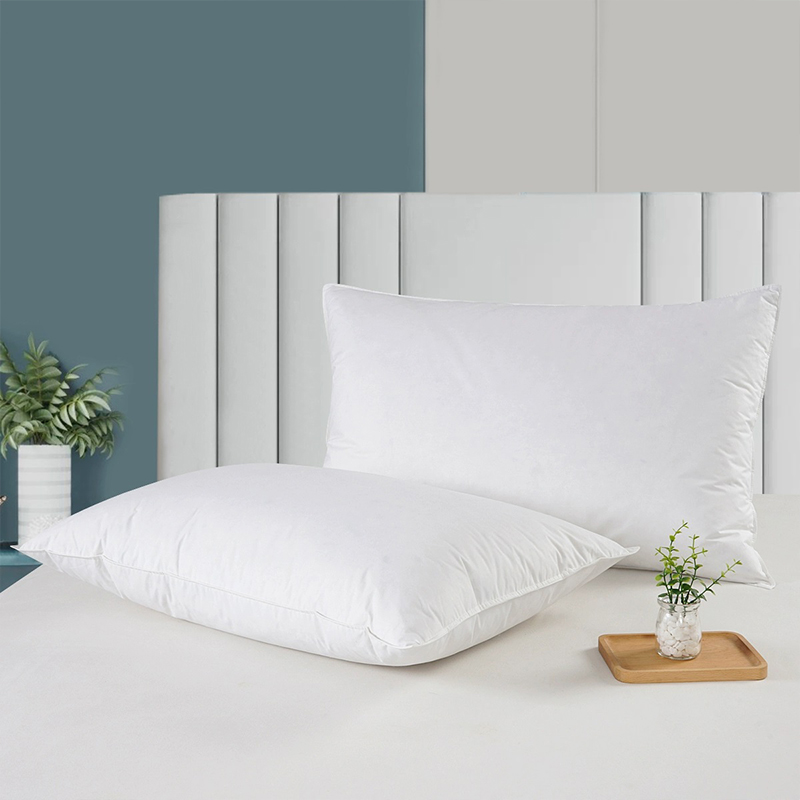
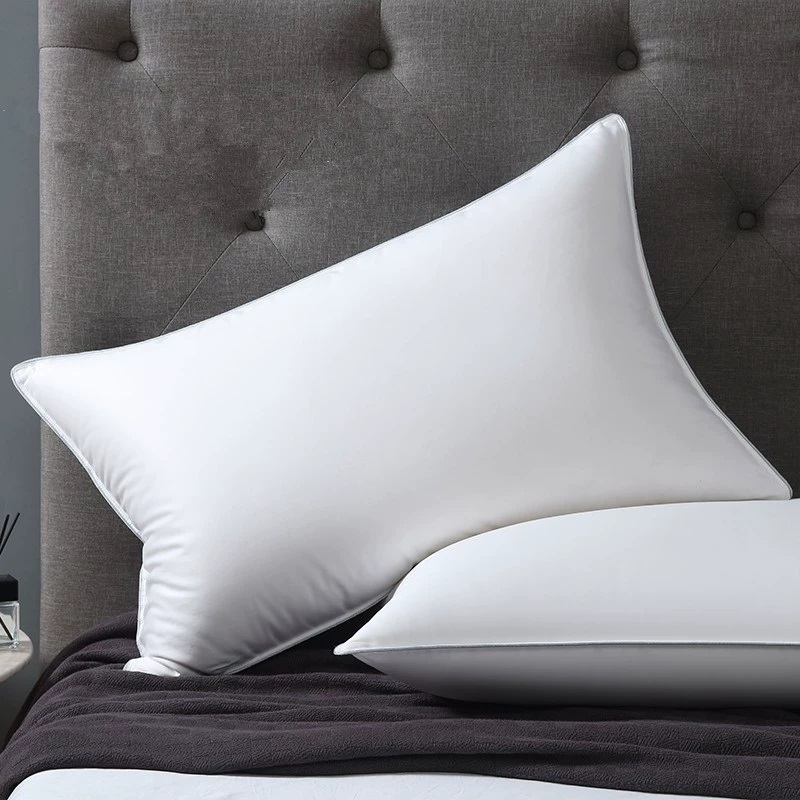
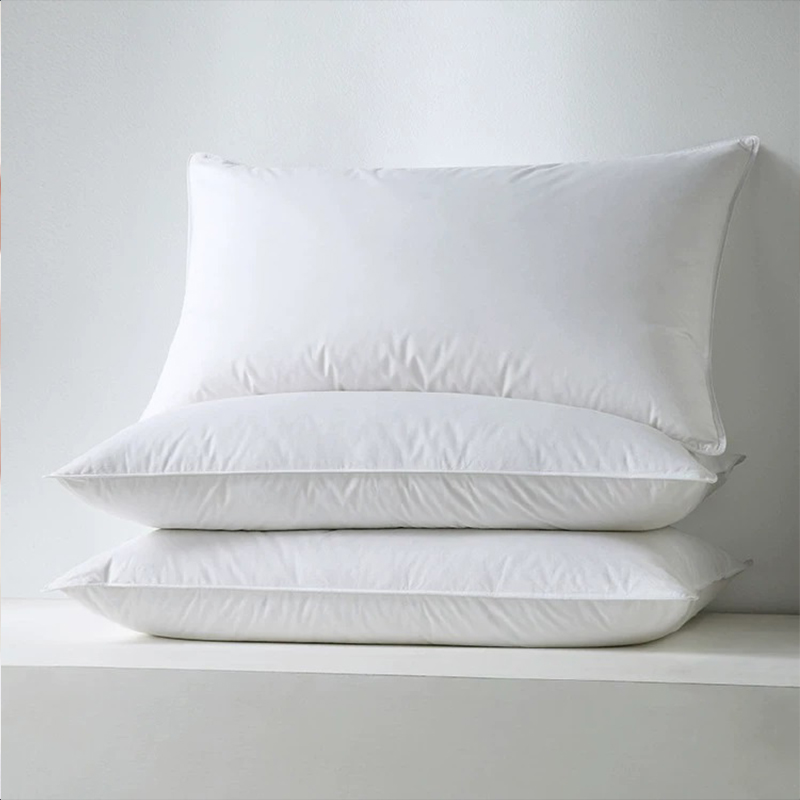
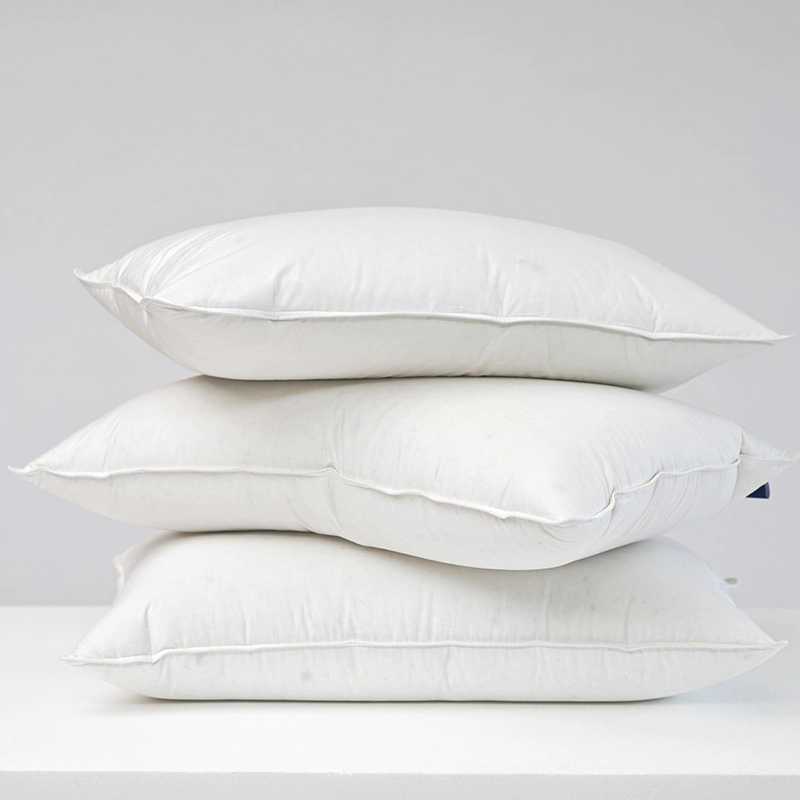
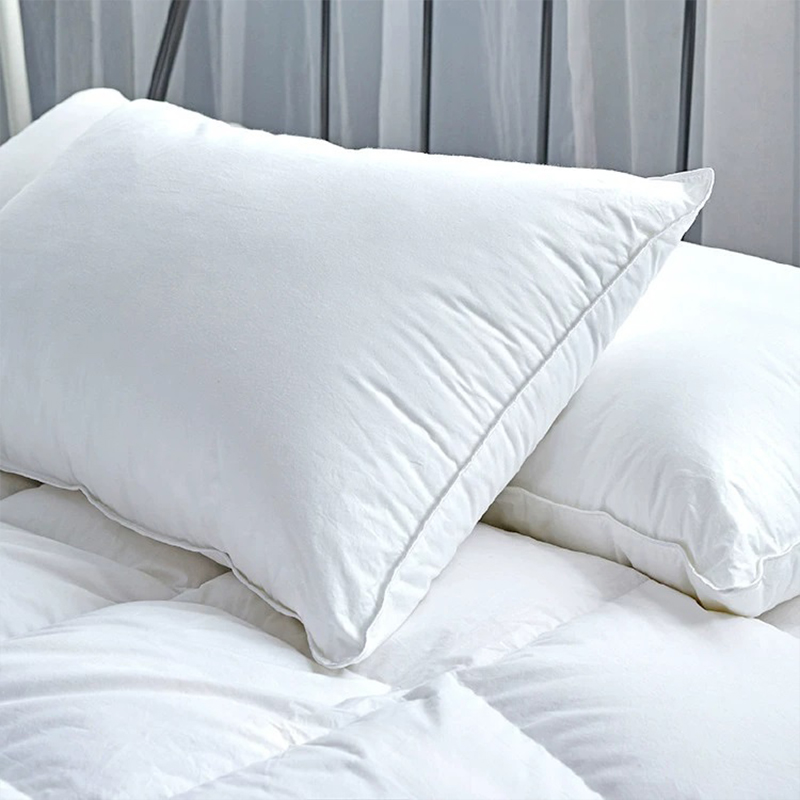
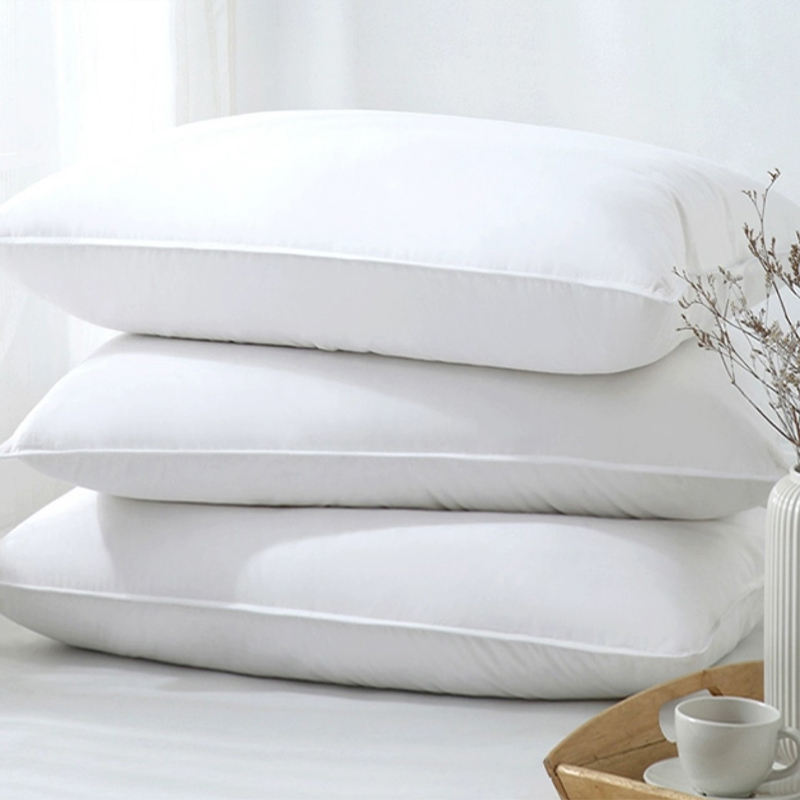
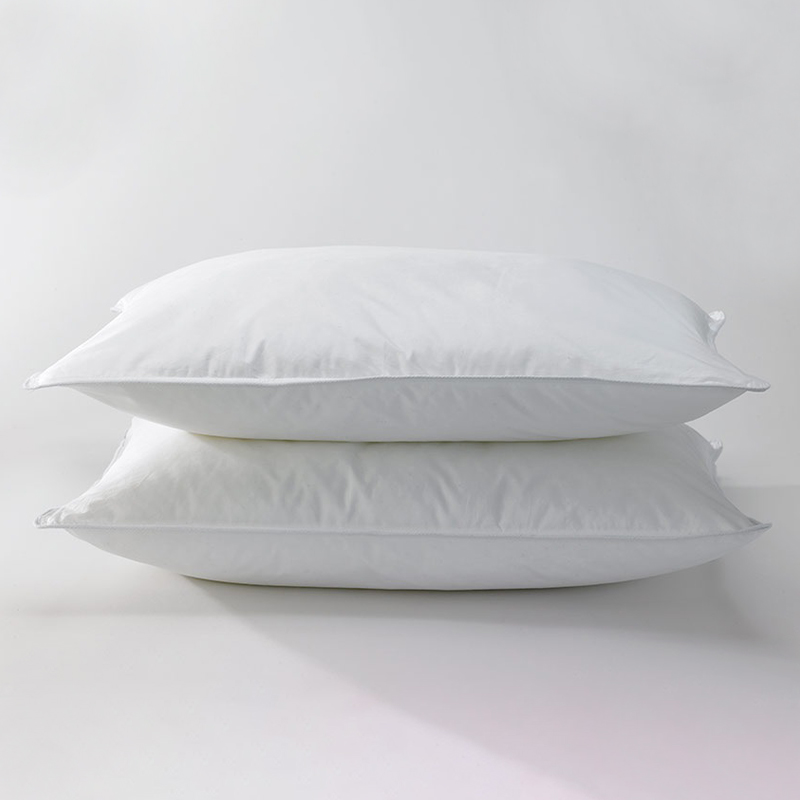
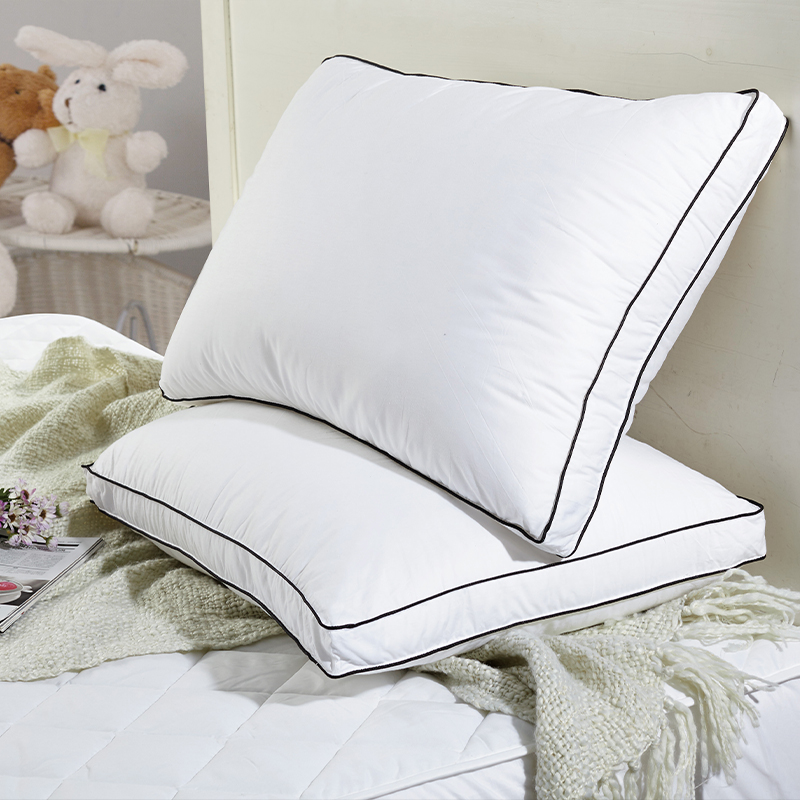
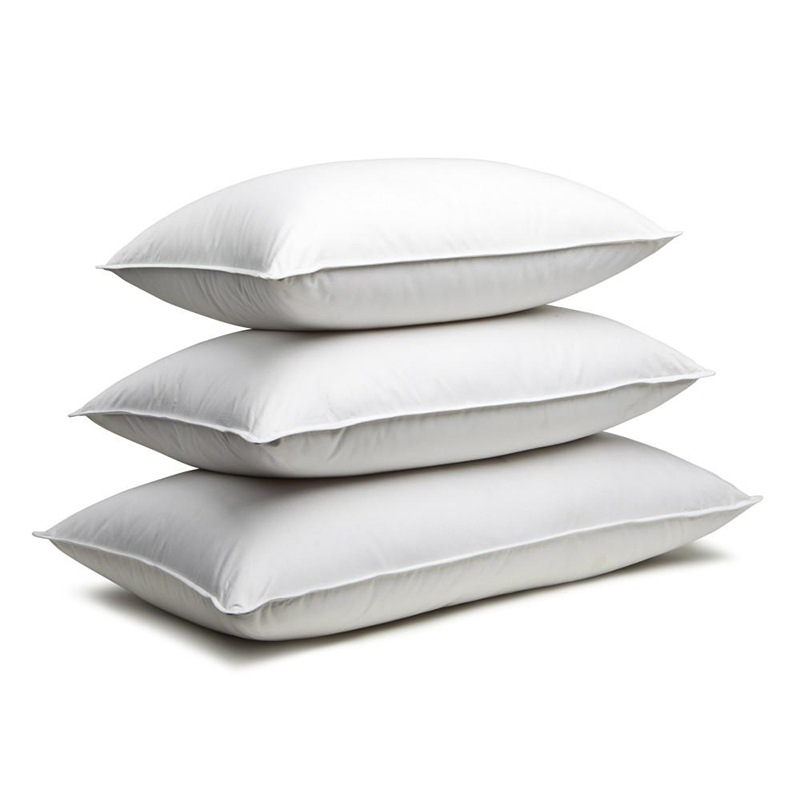
There are two main filling materials for hotel pillows. The one is siliconized synthetic microfiber, and the second one is down feather. Siliconized synthetic microfiber is also called hypoallergenic down-alternative microfiber because it has a similar hand feeling as down. Microfiber also has different qualities, like 6D, 3D, 1.3D, and 0.98D used in different products. Microfiber hotel pillows have seized a large number of hotel markets because of their characteristics of no odor, no deformation, and high cost performance. Down feather comes from ducks and geese. Down feather pillows have a better shape, higher fluffiness, and workmanship, which are favored by high-end hotels, but the price is also expensive. Due to animal protection, more and more hoteliers are choosing synthetic fiber products as a substitute. We also adjust the different fibers and weights to make firm and soft pillows. All our pillows are made with double needle stitching, which is strong and beautiful.

DEEDA TEXTILE
Nantong Deeda Textile Co., Ltd.
In 2013, we officially established a domestic
and international trade and sales company. Thus finally achieving
an industry and trade enterprise that integrates the weaving, processing,
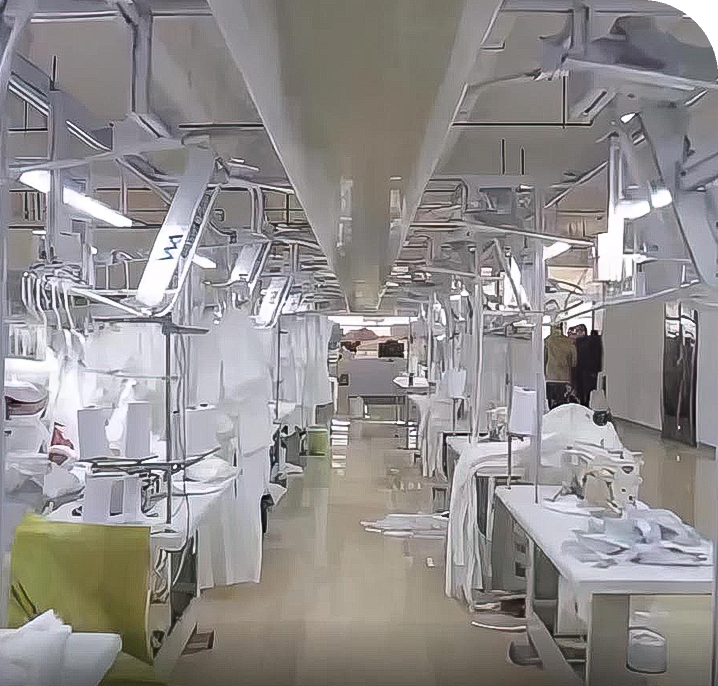
and selling from fabric material to finished bedding products. As a professional OEM Hotel pillow Manufacturer and ODM Hotel pillow Factory, The company
currently equip more than 150 jet looms, 60 rapier looms, 50 flat sewing machines,
3 carding machines, and 8 quilting machines, with over 200 workers. The factory also
set up a professional QC department and international sales team to provide customers
with the more reliable quality and service. The company mainly serves high-end hotels,
hotel distributors, retailers and hotel wholesalers. After more than 10 years of effort,
our customers have spread all over the world. Our company will continue to maintain vitality
and create more beneficial value for customers and society.
-
0+
Industry Experience
-
0+
Jet Looms
-
0+
Workers

DEEDA TEXTILE
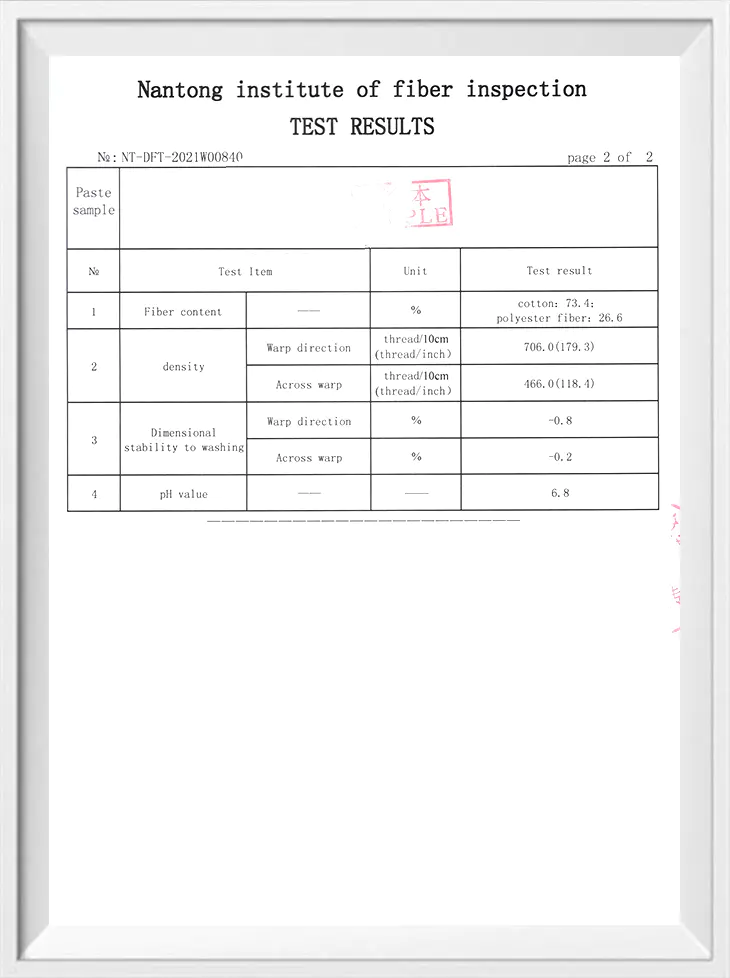
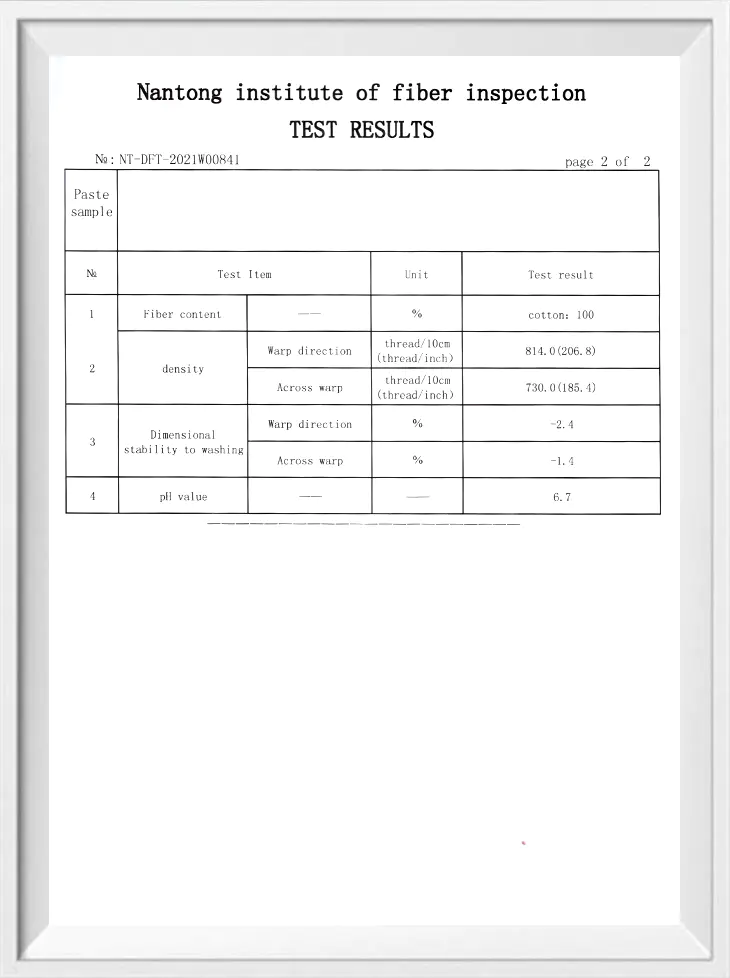
CERTIFICATES
 Explore more
DEEDA TEXTILE
NEWS UPDATES
Follow news and information, stay informed about industry trends.
Our company will continue to maintain vitality and create more beneficial
value for customers and society.
-
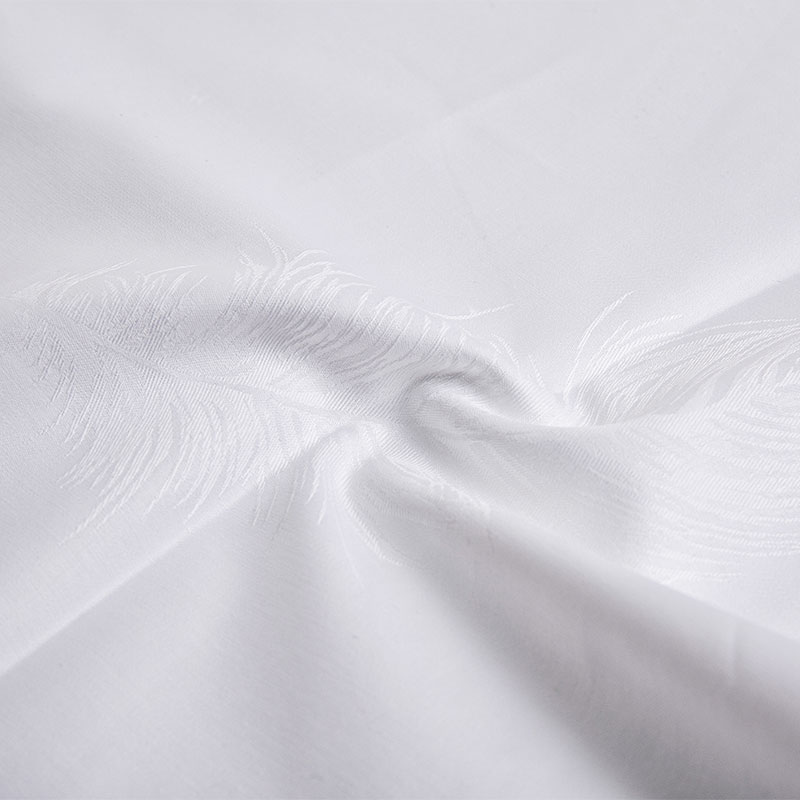 How Hospitality Linen Improves Guest Satisfaction by 40% in 2026?
The Direct Answer: How Linen Quality Drives a 40% Satisfaction Gain Research across hospitality review platforms consistently shows that be...
+ -
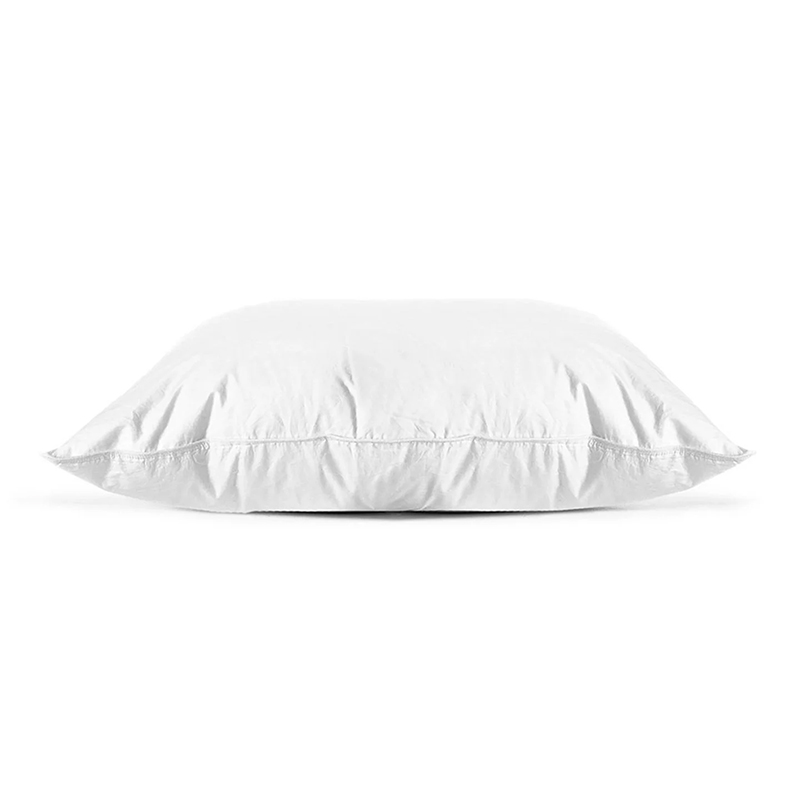 How Often Should Hotels Replace Pillow Protectors for Maximum Hygiene in 2026?
The direct answer: hotel pillow protectors should be replaced every 12 to 18 months under standard operating conditions, with laundering re...
+ -
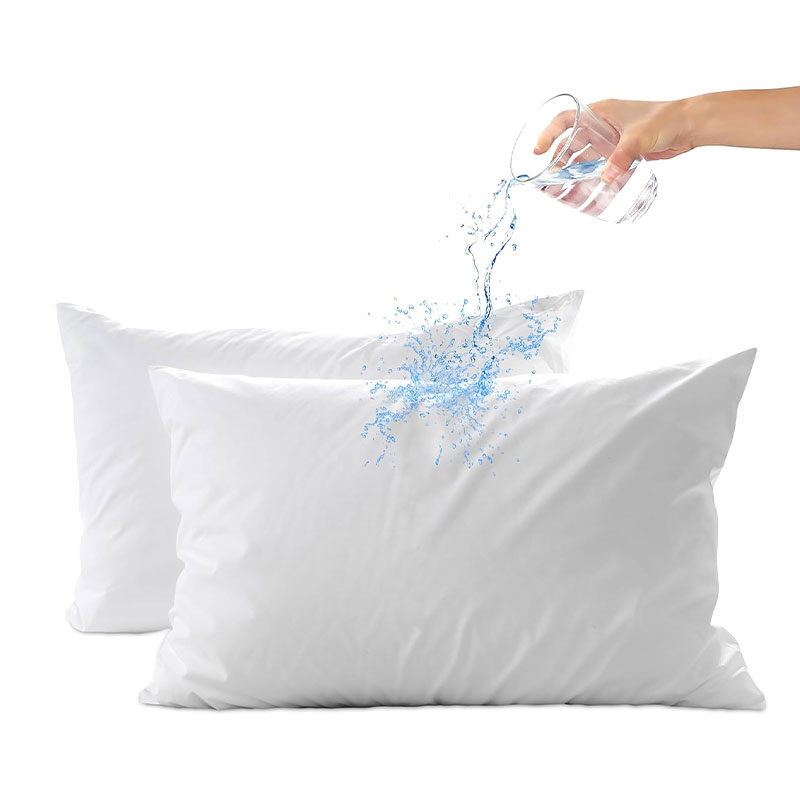 How Often Do Hotels Replace Their Pillows?
Most hotels replace their pillows every 1 to 2 years, though this varies significantly by property tier and occupancy rate. Budget hotels o...
+ -
 Is Sateen Bedding Better Than Cotton Percale for Hotels in 2026?
For most hotels in 2026, cotton sateen outperforms percale as the preferred bedding choice — particularly for properties that prioritize a ...
+ -
 What Thread Count Is Best for Hotel Bed Sheets?
The Best Thread Count for Hotel Bed Sheets: A Direct Answer For most hotel properties, a thread count between 300 and 600 strikes the ideal...
+
 Leave a message
Products
Contact Us
- Phone: +86-18036213623
- E-mail: [email protected]
- Factory Add: Wenzhou Middle Road, Chuanjiang Industrial Park, Tongzhou District, Nantong City, Jiangsu Province, China
- Office Add: Building A, Zhongnan Century City, Chongchuan District, Jiangsu Province, China
