 EN
EN English
 русский
 Español
 عربى
عربى
 Online Message

In the hotel industry, towels are a crucial part of the guest experience. They not only affect guest comfort but also influence the hotel's overall image. Cleaning and maintaining towels is not just about hygiene; it's key to ensuring towels remain soft, clean, and comfortable for a long time. As a hotel manager or cleaning staff member, mastering a set of scientific and effective towel cleaning techniques can extend the lifespan of towels and enhance the guest experience.
Content
1. Classification and Cleaning of Hotel Towels
First, understanding different types of towels and classifying them for cleaning based on their frequency of use and degree of soiling is the first step in keeping towels clean. Hotel towels can usually be divided into the following categories:
Bath towels: Used by guests after showering, these usually require frequent replacement and cleaning.
Face towels: Primarily used for wiping the face, these require frequent cleaning.
Hand towels: Used for drying hands, these require moderate cleaning frequency.
Foot towels: Used for drying feet, these are usually used less frequently and require less frequent cleaning.
| Towel Type | Usage Frequency | Cleaning Frequency |
| Bath Towel | High Frequency | Change Daily |
| Face Towel | High Frequency | Change Daily |
| Hand Towel | Medium Frequency | Change Every Two Days |
| Foot Towel | Low Frequency | Change Every Two Days |
For each type of towel, it is recommended to set different cleaning cycles. For example, bath towels and face towels should be changed at least once a day, while hand towels and foot towels can be changed every two days, depending on guest usage. Regularly checking the condition of the towels ensures timely cleaning and replacement.
2. Using the Right Cleaning Agents
Choosing the right cleaning agent is crucial for the cleaning effectiveness of hotel towels. Many hotels use cleaning agents specifically designed for the hotel environment. These cleaning agents not only remove stubborn stains but also maintain the softness of the towels. When choosing a cleaning agent, pay attention to the following points:
Antibacterial properties: Hotel towels are frequently in contact with skin, especially face towels and bath towels. Using a cleaning agent with antibacterial properties can effectively remove bacteria from towels, ensuring they remain hygienic.
Stain removal effectiveness: Towels are prone to accumulating grease, cosmetics, and other stains during use. Choosing a powerful stain-removing cleaning agent will help thoroughly clean the towels.
Fabric softener: While fabric softeners can keep towels soft, excessive use may reduce their absorbency. Therefore, choosing an appropriate amount of fabric softener will allow towels to maintain their softness without affecting their absorbency.
3. Correct Washing Temperature
Washing temperature directly affects the cleaning effectiveness and lifespan of hotel towels. Excessively high temperatures can damage the towel fibers, leading to hardening and roughness; while temperatures that are too low may not thoroughly remove grease and bacteria. The following washing temperatures are recommended:
Bath towels, face towels, hand towels: A water temperature of 60°C to 70°C is recommended. This temperature effectively removes stains and bacteria without causing excessive damage to the towel fibers.
Foot towels: A water temperature of 30°C to 40°C can be used to prevent premature aging of the towels due to excessive heat.
At the same time, choose the appropriate washing temperature based on the towel's material and color to avoid deformation or discoloration caused by large temperature differences.
4. Correct Washing Method
The washing method for hotel towels is crucial for keeping them looking new for a long time. Here are some cleaning tips:
Separate washing: Do not mix all towels together. Bath towels, face towels, and hand towels should be washed separately according to their material and color to prevent color transfer. Also, avoid washing towels with other large fabrics such as sheets and duvet covers to prevent excessive friction that can damage the towels.
Avoid excessive use of laundry detergent: Excessive detergent residue can cause the towel fibers to harden, affecting the softness and absorbency of the towels. Use laundry powder or liquid detergent in moderation and ensure thorough rinsing.
Control washing time: Excessive washing time can damage the towel fibers. It is recommended to adjust the washing time according to the degree of soiling, generally not exceeding 30 minutes.
Avoid bleach: Although bleach effectively removes stains, frequent use will cause the towels to fade or the fabric to become brittle. It is best to choose non-chlorine bleach or other specialized detergents.
5. Hotel Towel Drying Techniques
After washing, the correct drying method is equally important. Improper drying can not only affect the lifespan of the towels but also lead to odors and mildew. Here are some drying tips:
Using a dryer: If your hotel has a dryer, it's recommended to use a low or medium heat setting. High heat can cause towels to shrink, become stiff, and reduce their absorbency. Adding dryer balls during drying can help keep the towels fluffy.
Air drying: If air drying, ensure the towels are completely dry in a well-ventilated area to prevent mold growth in damp environments. When hanging towels, make sure they are not folded together to allow for sufficient air circulation.
Avoid over-drying: Over-drying can cause towels to become stiff and lose their original softness. Remove the towels promptly to avoid prolonged drying times.
6. Storage and Maintenance of Hotel Towels
The storage and maintenance of hotel towels are crucial for maintaining their lifespan, comfort, and hygiene. In hotel operations, towel storage management not only affects the quality of the towels but also relates to guest experience and the overall image of the hotel. Through proper storage and regular maintenance, towels can be kept clean, soft, and fresh, while effectively preventing mold growth, unpleasant odors, or premature wear and tear.
(1) Basic Principles of Towel Storage
Dry Environment
The primary principle of towel storage is to keep them dry. A humid environment easily breeds bacteria, mold, and other microorganisms, leading to mildew and unpleasant odors. Towels must be completely dry before storage to prevent moisture from accumulating and causing bacterial growth. The storage space should be kept dry, at a suitable temperature, and have good ventilation.
Good Ventilation
The place where towels are stored should avoid enclosed or damp environments. Choosing ventilated storage cabinets, towel racks, or dedicated storage areas helps maintain air circulation during storage, preventing musty odors or dampness.
Regular Inspection of Storage Environment
Regularly inspect the storage area to ensure there is no standing water or moisture. Ensure that the place where towels are stored is clean and dust-free, avoiding dust, dirt, or other impurities from contaminating the towels.
Avoid Exposure to Direct Sunlight
Prolonged exposure to direct sunlight will accelerate towel color fading and damage the fiber structure, making the towels rough and brittle. Therefore, towels should be stored in a dry, cool environment, avoiding prolonged exposure to sunlight.
(2) Towel Storage Methods
Folding and Storing
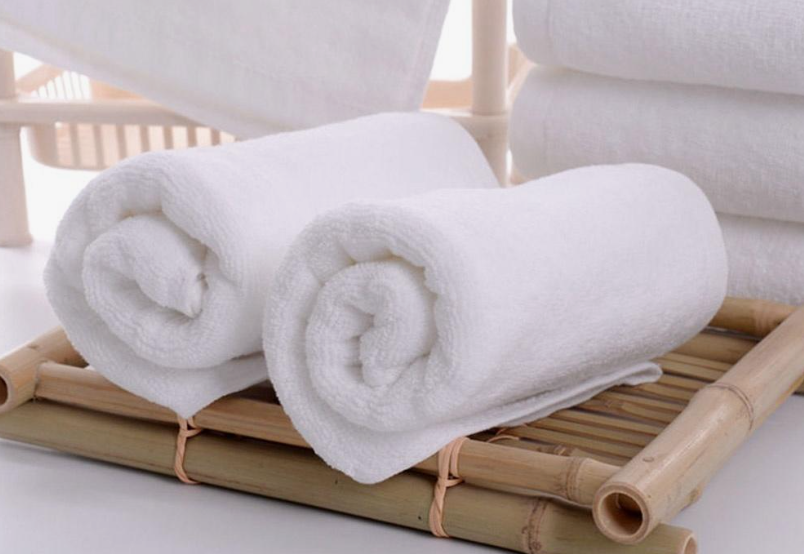
Towels should be neatly folded, avoiding irregular stacking. Excessive stacking or irregular stacking not only easily occupies storage space but may also cause deformation and damage to the towels. Before each storage, ensure that the towels are completely dry and try to keep them flat.
Folding Techniques:
For bath towels and face towels, fold them into a suitable size for easy access by guests.
Use folding equipment or machines to help standardize towel sizes in the hotel, ensuring consistency. Sectioned Storage
If the hotel has multiple types of towels (such as bath towels, face towels, hand towels, etc.), it's best to store them in separate sections, ensuring that each type of towel has its own dedicated storage space. This facilitates quick access, prevents disorganization, and simplifies management.
(3) Long-Term Towel Maintenance
Replace Towels Regularly
After prolonged use, especially after frequent washing and high-temperature drying, the texture and absorbency of hotel towels will deteriorate. Therefore, regularly replacing towels and discarding damaged or worn-out towels is essential.
Use Professional Dry Cleaning
For special cases, such as towels with stubborn stains or severe deformation, professional dry cleaning services are recommended. Dry cleaning effectively removes stains while maintaining the texture and appearance of the towels.
Implement a Towel Storage Management System
If the hotel has a large quantity of towels, consider implementing a towel storage management system. This system can help the hotel monitor the storage and replacement cycle of towels, improve efficiency, and ensure that the towels are properly maintained.