 EN
EN English
 русский
 Español
 عربى
عربى
 Online Message

As part of the hotel stay experience, the cleanliness of towels directly affects guests' comfort and overall impression of the hotel. Although hotels usually provide high-quality toiletries, the hygiene of towels remains a concern for many travelers. So, how can you determine if hotel towels are clean and hygienic?
1. The Appearance of Hotel Towels
The appearance of towels can often reflect their cleanliness and condition. While appearance doesn't completely determine whether a towel is clean and hygienic, it is one of the most direct indicators.
(1) Towel Color
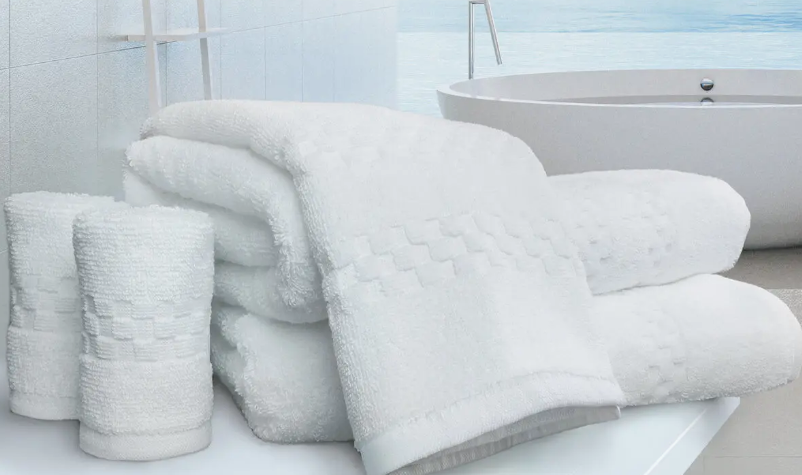
Clean towels usually have a bright white color or the standard color of the hotel. If the towel is dull, yellowed, or stained, it may indicate that the towel has not been changed or cleaned for a long time, or that stubborn stains were not removed during the washing process. Especially with white towels, if you find yellow or gray marks, you should be wary, as this may indicate insufficient cleanliness.
(2) Towel Texture
High-quality towels usually feel soft and have a certain thickness. If a towel has been washed, used, or bleached many times, it may become rough and stiff. In this case, the towel may have lost its original comfort, and it may also indicate that it has not been properly cleaned and cared for.
(3) Odor on the Towel
A clean towel should have no odor. Any pungent, musty, or damp smell may indicate that the towel was not completely dried during storage, or that insufficient detergent was used during washing, leading to bacterial growth. If the towel has an odor, try to avoid using it.
2. Towel Cleaning Methods
In addition to appearance, the hotel's washing and disinfection procedures are one of the key factors in determining towel hygiene. Most hotels have strict towel cleaning standards, but some places may not be meticulous enough in cleaning and handling. Here are some common towel cleaning methods; you can use this information to assess the hygiene of the towels.
(1) High-Temperature Disinfection
Hotel towels are usually disinfected using high temperatures to kill bacteria and viruses. High-temperature washing (60°C and above) can effectively clean and disinfect towels. Most hotels use industrial laundry equipment that can provide sufficient water temperature and washing time to ensure the cleanliness of the towels. If towels are not disinfected at high temperatures, bacteria and microorganisms may still remain on them, affecting their hygiene.
(2) Use of Chemical Disinfectants
In addition to high-temperature disinfection, hotels may also use chemical disinfectants to treat towels. These disinfectants include bleach or other professional detergents, which can effectively kill bacteria, viruses, and other harmful substances on the towels. If you notice a chemical smell or obvious bleach stains on the towels, this usually indicates that the hotel has used chemical disinfectants.
(3) Towel Drying Method
The drying process of towels is also an important indicator of their hygiene. Towels are more likely to breed bacteria and mold when wet. If hotel towels are not dried promptly after use, or if the drying environment is not clean, this may lead to mold growth on the towels, which can affect the health of users.
3. Storage and Maintenance of Towels
The storage conditions of hotel towels are also an important factor affecting their hygiene level. Improper storage of towels can lead to contamination, even after washing. Here are some things to pay attention to when storing towels:
(1) Towel Storage Environment
Towels should be stored in a dry and clean place. If towels are stored in a damp place, such as a corner of the bathroom or in a cabinet, they may absorb moisture and become moldy. Hotels should provide an appropriate storage environment to ensure that towels remain dry and clean.
(2) Towel Classification
Some high-end hotels classify and store towels according to their use. For example, face towels, bath towels, and bath mats should be stored separately to prevent cross-contamination. Classified storage can effectively reduce the risk of bacterial transmission.
(3) Towel Quantity and Frequency of Use
If hotel towels are used frequently and not replaced promptly, their cleanliness may decrease. Hotels should replace towels regularly, especially in places with high usage frequency, such as business hotels and resorts.
4. How to Determine if Hotel Towels are Hygienic and Clean: Some Practical Tips
Although you cannot directly see the washing and disinfection process of hotel towels, the following tips can help you determine if the towels are clean:
| Judgment Criteria | Details to Pay Attention To |
| Appearance Check | Check the towel's color and texture, paying attention to stains, yellowing, or noticeable wrinkles. Avoid using towels with visible stains. |
| Smell Check | Smell the towel before use, especially for musty or oily odors. If there is an odor, it is best not to use it. |
| Towel Hardness | Ensure the towel is soft and not rough. Excessive hardness may indicate inadequate cleaning or treatment. |
| Know the Hotel's Cleaning Standards | If possible, ask the hotel if they use high-temperature disinfection and professional cleaning agents, and confirm their disinfection measures. |
| Storage Environment | Check if the towels are stored in a dry and clean place, and avoid towels stored in a damp environment. |
5. How to deal with unclean hotel towels?
If you find that the hotel towels are unclean, you can take the following steps:
Inform the hotel staff immediately: If you find that the towels are dirty, contact the hotel front desk or cleaning staff immediately and request a replacement.
Request new towels: Sometimes the hotel may offer you more towel options; ensure that the towels are freshly washed and unused.
Consider using your own towels: If you are uncomfortable with the cleanliness of the hotel towels, you can consider bringing your own towels to ensure hygiene.