 EN
EN English
 русский
 Español
 عربى
عربى
 Online Message

The short answer: Wash a hotel bedding set in warm water at 40–60°C using a gentle or commercial detergent, tumble dry on medium heat, and avoid fabric softeners on cotton percale or sateen — they reduce absorbency and compress fiber structure over time. Proper care preserves thread count integrity, whiteness, and that characteristic crisp hotel feel for 200 to 300 wash cycles or more.
Content
- 1 Why Hotel Bedding Sets Require a Different Care Approach
- 2 Hotel Bedding Set Thread Count and Fabric Guide
- 3 Washing: Temperature, Detergent, and Load Settings
- 4 Drying Hotel Bedding: Preserving Structure and Whiteness
- 5 Ironing and Finishing for the Professional Hotel Look
- 6 Stain Treatment for Hotel Bedding Without Damaging Fabric
- 7 Storage and Long-Term Maintenance of Hotel Bedding Sets
- 8 About Nantong Deeda Textile Co., Ltd.
- 9 Frequently Asked Questions
Why Hotel Bedding Sets Require a Different Care Approach
A hotel bedding set is engineered to a higher performance standard than typical retail bedding. Commercial hospitality linens must withstand frequent industrial laundering — sometimes 3 to 5 wash cycles per week — while retaining brightness, dimensional stability, and a smooth, professional appearance. When you bring that same quality home or source it for a hospitality property, understanding why it performs differently from consumer bedding guides every care decision.
The key difference lies in construction. Hotel-grade sheeting is typically woven from long-staple cotton — Egyptian, Pima, or Supima — with thread counts between 200 and 600. Long-staple fibers are smoother, stronger, and more resistant to pilling than short-staple equivalents. However, they also respond more strongly to wash temperature, mechanical agitation, and chemical exposure. Incorrect care compresses the fiber structure prematurely, reducing both softness and longevity.
For a luxury hotel bedding set for home use, the care routine matters more than for budget alternatives precisely because the higher construction quality gives you more to preserve — and more to lose if maintenance is neglected.
Hotel Bedding Set Thread Count and Fabric Guide
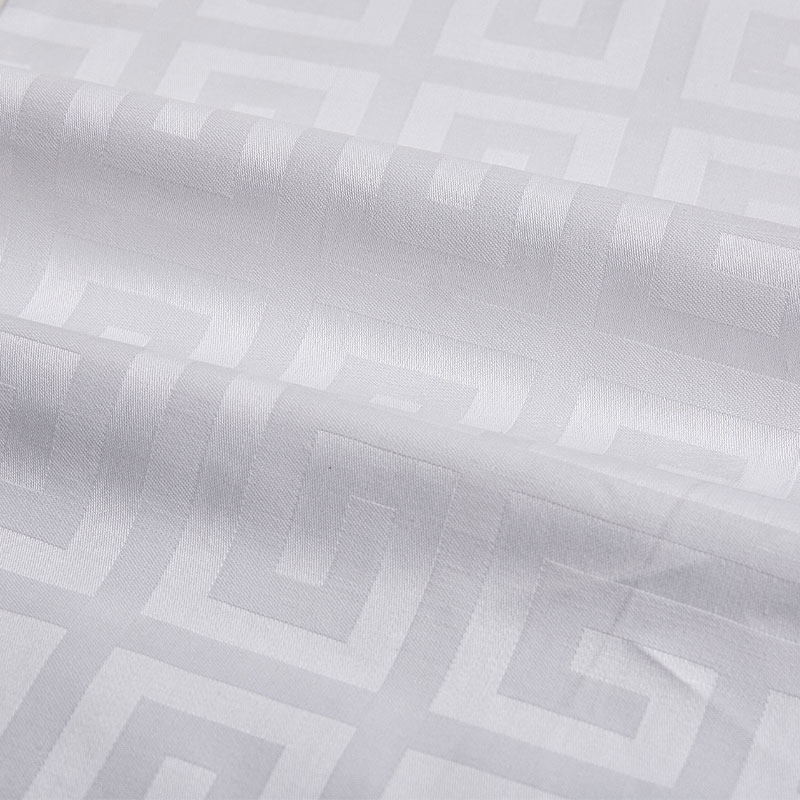
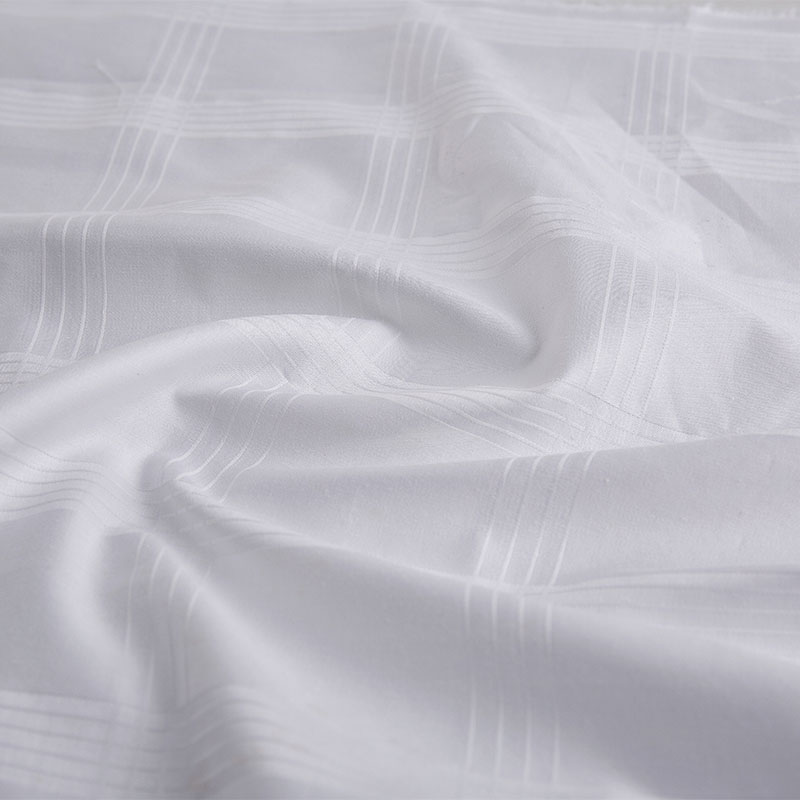
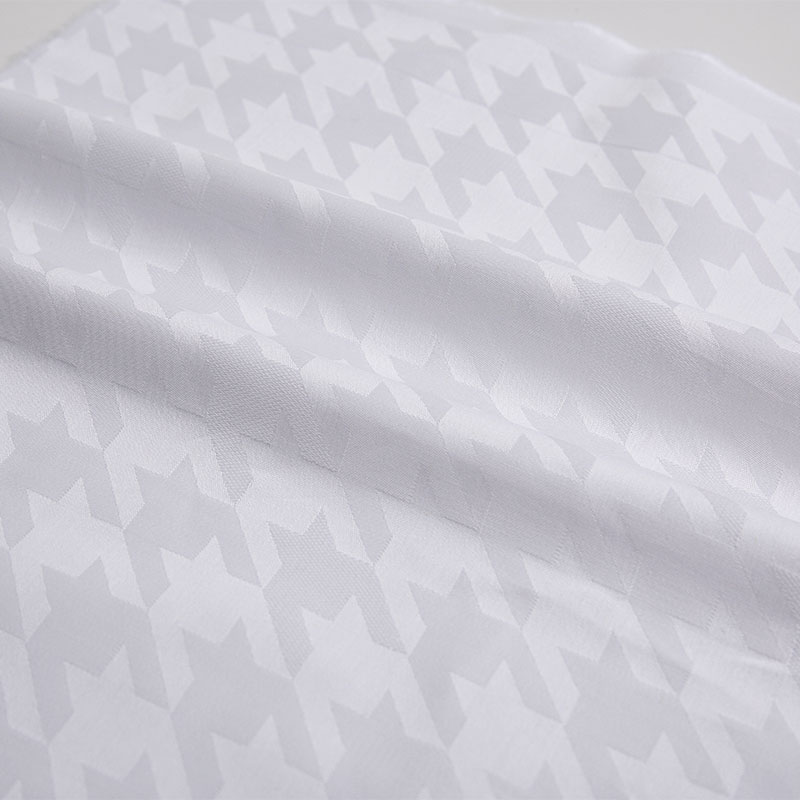
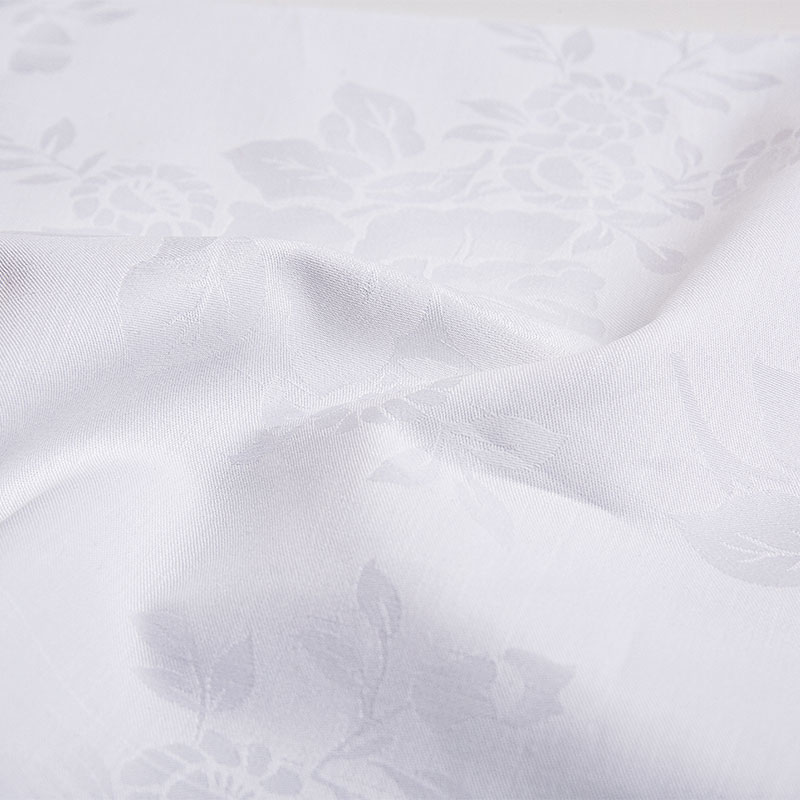
Understanding your bedding's fabric composition is essential before choosing wash settings. The wrong temperature or detergent for a specific weave or fiber type accelerates degradation significantly. Here is a practical hotel bedding set thread count and fabric guide to inform your care decisions.
Thread Count: What It Means in Practice
Thread count refers to the number of horizontal (weft) and vertical (warp) threads per square inch of fabric. In genuine hotel-grade sheeting:
- 200–300 TC Percale: Crisp, cool, matte finish. Highly breathable. The standard for budget and mid-range hotel properties. Durable and easy to care for.
- 300–400 TC Sateen: Silky, lustrous finish from a 4-over-1-under weave. Softer drape than percale. Preferred by luxury hotel bedding collections. Requires slightly more careful washing to preserve sheen.
- 400–600 TC Long-Staple Cotton: The hallmark of five-star hotel linen. Exceptionally smooth, substantial weight. Benefits from lower wash temperatures and shorter spin cycles to maintain fiber integrity.
Note that thread counts above 600 in mass-market products often indicate multi-ply thread inflation — where thin threads are twisted together and counted individually — rather than genuinely finer weave density. Authentic high-thread-count hotel sheeting uses single-ply construction.
Fabric Types and Their Care Profiles
| Fabric | Key Properties | Max Wash Temp | Drying Method | Iron Setting |
|---|---|---|---|---|
| Cotton Percale | Crisp, breathable, matte | 60°C | Tumble medium / line dry | Medium–high (cotton) |
| Cotton Sateen | Silky, lustrous, heavier | 40–60°C | Tumble low / remove damp | Medium (inside out) |
| Egyptian / Pima Cotton | Ultra-smooth, long-staple | 40°C | Tumble low or line dry | Medium, slightly damp |
| Cotton-Polyester Blend | Wrinkle-resistant, durable | 40–60°C | Tumble medium | Low–medium |
| Bamboo / Lyocell | Soft, moisture-wicking | 30–40°C | Line dry preferred | Low, inside out |
Washing: Temperature, Detergent, and Load Settings
The washing stage is where the most damage to hotel-quality bedding occurs in home settings — usually from water temperatures that are too high, detergents that are too aggressive, or drum overloading that causes mechanical abrasion between items.
Water Temperature
For white cotton hotel sheets, 60°C is the standard commercial laundry temperature used in hotels — it sanitizes effectively and removes organic soiling without degrading long-staple cotton fibers at normal laundry exposure times. For home use with less frequent washing, 40–60°C is appropriate for most cotton hotel bedding. Reserve the full 60°C cycle for heavily soiled items or when sanitization is a priority. Washing high-thread-count sateen or luxury cotton at 90°C shortens fiber life significantly and should be avoided.
Detergent Selection
- Use a liquid detergent for high-thread-count cotton. Powder detergents can leave undissolved residue in fine weave structures, creating a rough texture after drying.
- Avoid fabric softeners on cotton percale and sateen. Fabric softener coats fibers with a waxy lubricant that initially feels soft but progressively reduces absorbency and compresses the weave structure, dulling the characteristic hotel crispness.
- Use an optical brightener-free detergent for colored or non-white hotel bedding to prevent gradual color shift. For white bedding, detergents with optical brighteners maintain the bright white appearance characteristic of professional hotel linen.
- Enzyme-based detergents are effective for protein-based stains (body oils, perspiration) common in bedding and are gentler on cotton fibers than oxidizing bleach alternatives.
Load Size and Drum Fill
Do not wash hotel bedding sets — particularly duvet covers and flat sheets — with clothing or towels. Towels have a rough looped surface that acts as an abrasive against smooth woven sheeting during drum rotation. For a king-size sheet set, use a drum capacity of at least 7–8 kg to allow items to circulate freely. Overloading compresses fabric and prevents even rinsing, leaving detergent residue that stiffens fibers over time.
Drying Hotel Bedding: Preserving Structure and Whiteness
The drying stage has an equally significant impact on hotel bedding quality as washing. Both over-drying and under-drying damage fabric in different ways — and the method chosen affects how the bedding looks and feels at the point of use.
Tumble Drying
Tumble drying on medium heat is appropriate for most cotton hotel bedding. Remove items while still slightly damp — approximately 10 to 15% residual moisture — and finish air drying flat or on a line. This prevents over-drying, which causes cotton fibers to become brittle and slightly harsh, and makes ironing easier as a result.
Adding two or three clean tennis balls or dryer balls to the drum when drying duvet covers and pillowcases prevents fabric from bundling together, reducing drying time by up to 25% and preventing heat concentration that can damage sateen weaves.
Line Drying
Line drying in indirect sunlight or outdoors in diffused light is the gentlest drying method for luxury hotel cotton sheeting. Direct strong sunlight bleaches white cotton naturally but can cause yellowing in certain optical brightener finishes over time. For white cotton percale, moderate sun exposure during drying actively helps maintain brightness. For colored or non-white hotel bedding, always dry in the shade to prevent UV-induced color fading.
What to Avoid When Drying
- Avoid high-heat tumble cycles for sateen weaves — the surface float threads that create the lustrous finish are more susceptible to heat damage than percale.
- Do not leave hotel bedding in the drum after the cycle completes — heat retained in the drum after stopping causes permanent wrinkle setting in cotton that requires significant ironing effort to reverse.
- Avoid drying flat sheets draped over a single line, which creates a permanent crease along the fold line. Use two parallel lines or a wide drying rack to distribute the sheet's weight.
Ironing and Finishing for the Professional Hotel Look
The crisp, smooth appearance characteristic of hotel bedding is largely achieved through correct ironing technique. It is one of the most visible indicators of quality maintenance — and one of the easiest to get right once the basic approach is understood.
Iron While Slightly Damp
Iron cotton hotel sheets while they retain slight residual moisture — the steam produced from within the fabric fiber is more effective at releasing wrinkles than external steam application to a fully dry sheet. If the sheet has dried completely, use a spray bottle to lightly mist the surface before ironing, then allow 30 seconds for the moisture to penetrate the weave before applying the iron.
Temperature and Direction
Use a cotton setting (usually 200°C) for percale and standard cotton hotel sheeting. For sateen, reduce to a medium-high setting and iron on the reverse (wrong side) to avoid flattening the characteristic surface sheen. Always iron in long strokes following the grain of the weave — not in circular motions, which can stretch bias areas and distort the sheet's geometry over time.
Professional hotel laundries use calendar irons (large heated rollers) that press flat sheets at consistent temperature and pressure in a single pass. For home users, the closest equivalent is ironing in straight parallel strokes across the full width before folding, producing a flat, smooth surface without fold lines.
Stain Treatment for Hotel Bedding Without Damaging Fabric
Stain treatment on hotel-grade bedding requires acting promptly and using the right approach for each stain type. Incorrect treatment — particularly bleach on delicate weaves or hot water on protein stains — can set stains permanently or damage fiber integrity.
| Stain Type | First Action | Treatment Method | What to Avoid |
|---|---|---|---|
| Body oils / perspiration | Blot, do not rub | Enzyme pre-treatment, cool water wash | Hot water (sets protein) |
| Blood | Cold water rinse immediately | Enzyme soak in cold water, 30 min | Warm or hot water at any stage |
| Coffee / tea | Blot excess immediately | Pre-treat with liquid detergent, 40°C wash | Rubbing (spreads stain) |
| Makeup / cosmetics | Scrape gently, do not wet | Micellar solution or oil-based pre-treat | Chlorine bleach on colored items |
| Rust or tannin | Do not wet initially | Oxalic acid-based stain remover (white only) | Alkaline detergent (worsens tannin) |
Storage and Long-Term Maintenance of Hotel Bedding Sets
How a hotel bedding set is stored between uses has a meaningful impact on longevity. Poor storage accelerates yellowing in white cotton, creates permanent fold creases, and in humid environments promotes mildew growth in fabric fibers.
Correct Storage Practices
- Store only fully dry bedding. Even slight residual moisture in folded cotton creates conditions for mildew — a musty odor that is difficult to eliminate once established in woven fiber.
- Fold loosely and avoid hard creases. For long-term storage, rolling sheets rather than folding prevents permanent fold lines from developing in crisp percale weaves.
- Store in breathable cotton bags or pillowcases rather than plastic. Plastic traps humidity and accelerates yellowing in white cotton through oxidation.
- Keep away from direct light and heat sources. UV exposure during storage yellows white cotton and fades dyed fabrics even without washing.
- Rotate sets in use. If you have multiple hotel bedding sets, rotating them evenly distributes wear and washing frequency, extending the collective lifespan of the collection significantly.
About Nantong Deeda Textile Co., Ltd.
Nantong Deeda Textile Co., Ltd. is a specialist manufacturer of premium hotel bedding collections and fabrics, with a fully integrated supply chain spanning weaving, processing, and finished product sales. The company began hotel bedding fabric production in 2009, expanded into processing and finished product manufacturing in 2012, and established its domestic and international trade division in 2013 — creating a genuine one-stop solution from raw fabric to finished bedding set.
The factory is equipped with more than 150 jet looms, 60 rapier looms, 50 flat sewing machines, 3 carding machines, and 8 quilting machines, operated by over 200 workers. A dedicated QC department and international sales team ensure consistent product quality and responsive customer service across all markets.
Deeda primarily serves high-end hotels, hotel distributors, retailers, and hotel wholesalers globally. As a cotton hotel bedding set wholesale supplier, the company's customer base has expanded across multiple continents over more than a decade of sustained operation, built on the foundation of reliable quality and professional service.