 EN
EN English
 русский
 Español
 عربى
عربى
 Online Message

Content
- 1 Why Hotel Pillows Feel Better: The Direct Answer
- 2 Fill Material: The Core Difference in Comfort
- 3 Shell Fabric: Thread Count and Weave Quality
- 4 Hotel Pillow vs. Regular Pillow: Side-by-Side Comparison
- 5 The "Two-Pillow Strategy" Hotels Use for Universal Comfort
- 6 Why Hotel Pillows Stay Fluffier Longer
- 7 How to Recreate the Hotel Pillow Experience at Home
- 8 Top Hotel Pillow Brands Available for Home Purchase
- 9 Frequently Asked Questions About Hotel Pillows
- 9.1 What fill power should I look for when buying a hotel-style pillow?
- 9.2 Are hotel pillows suitable for allergy sufferers?
- 9.3 How often should I replace a hotel-quality pillow at home?
- 9.4 Can I wash a hotel-style down pillow at home?
- 9.5 Why do hotels use so many pillows per bed?
- 9.6 Is a higher thread count shell always better for a pillow?
Why Hotel Pillows Feel Better: The Direct Answer
Hotel pillows feel noticeably better than most regular pillows because they are purpose-engineered for consistent comfort, durability, and guest satisfaction — not mass-market affordability. Hotels invest in higher fill power down or premium down-alternative fills, use denser cotton shells, and replace pillows on a strict schedule to maintain loft and hygiene. The result is a pillow that feels plush, supportive, and fresh in a way that typical retail pillows rarely match. This is why hotel pillows have become one of the most searched and purchased home bedding upgrades in recent years.
Fill Material: The Core Difference in Comfort
The fill inside a pillow is the primary driver of how it feels. Most budget retail pillows use basic polyester fiberfill, which flattens quickly and provides little adaptive support. Hotel pillows take a fundamentally different approach.
What Hotels Actually Use
- White goose or duck down: Premium hotels typically use down with a fill power of 600–800+, meaning it is exceptionally lofty, lightweight, and breathable
- Down alternative (microfiber clusters): Mid-range and allergy-conscious properties use high-density polyester microfiber that mimics down's softness without allergen concerns
- Down/feather blends: A common compromise — typically 75% down / 25% feather — that adds body and support while maintaining softness
By contrast, a standard retail pillow selling for under $20 often uses polyester fill rated at less than 300g/m² density, which compresses within months of regular use.
Shell Fabric: Thread Count and Weave Quality
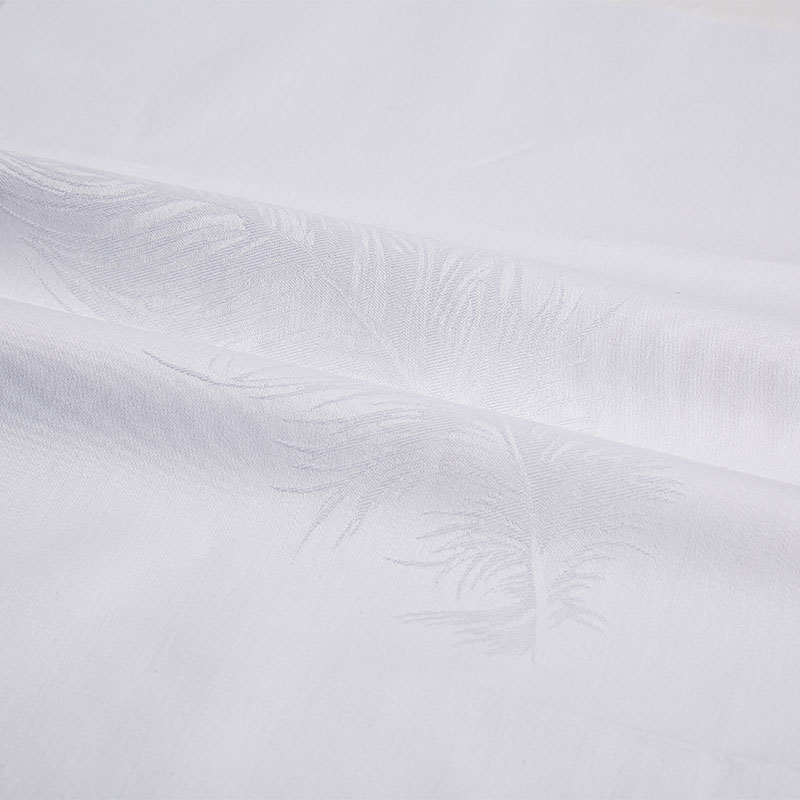
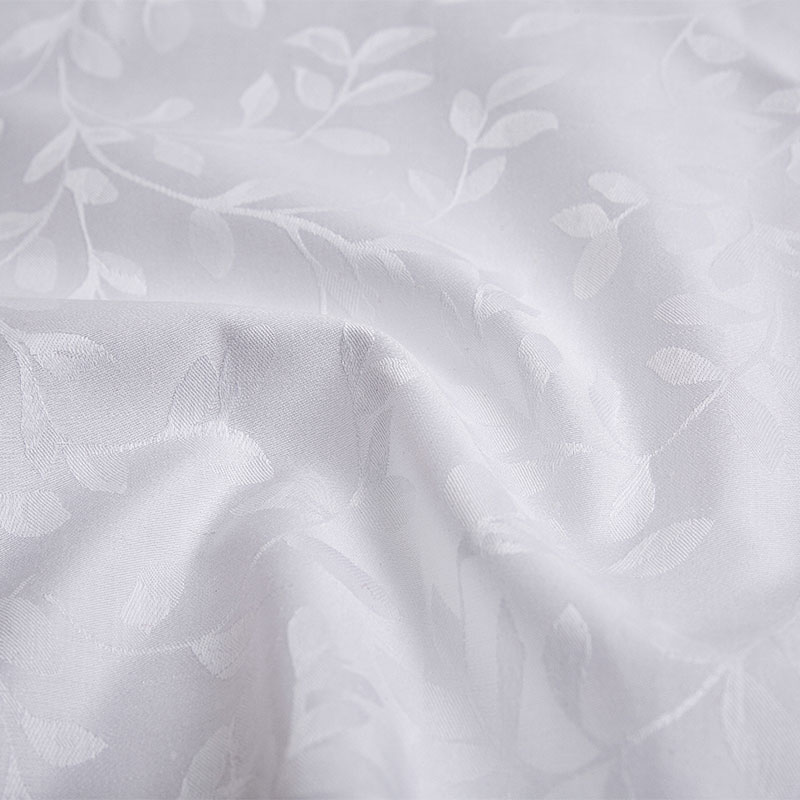
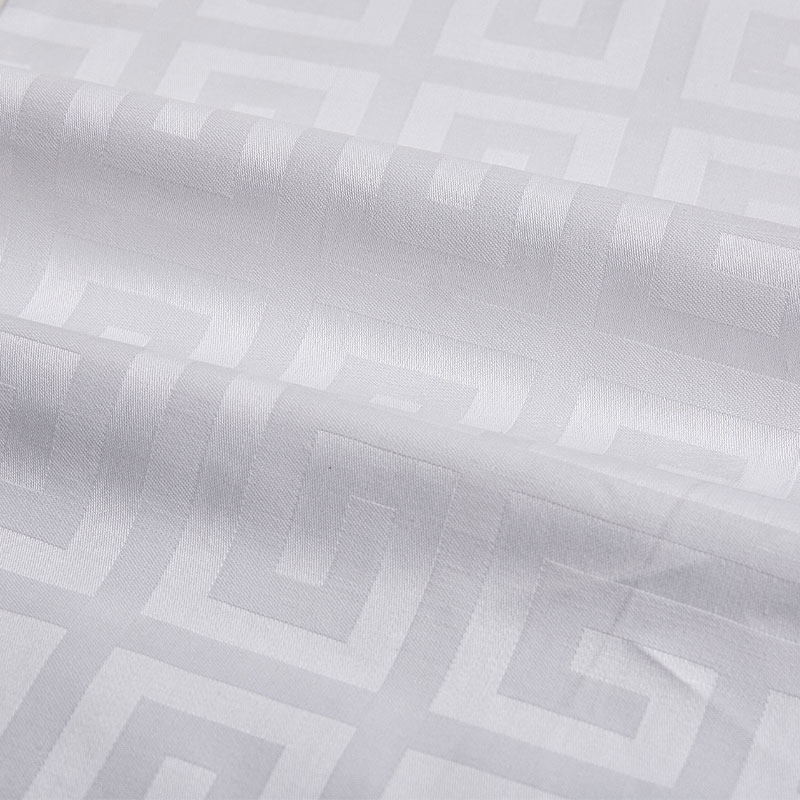
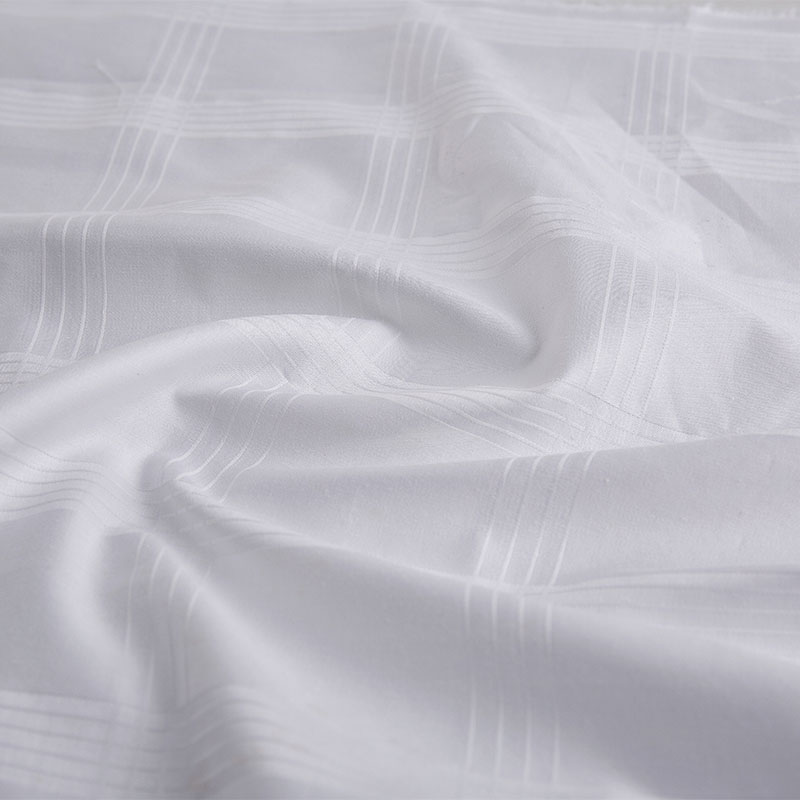
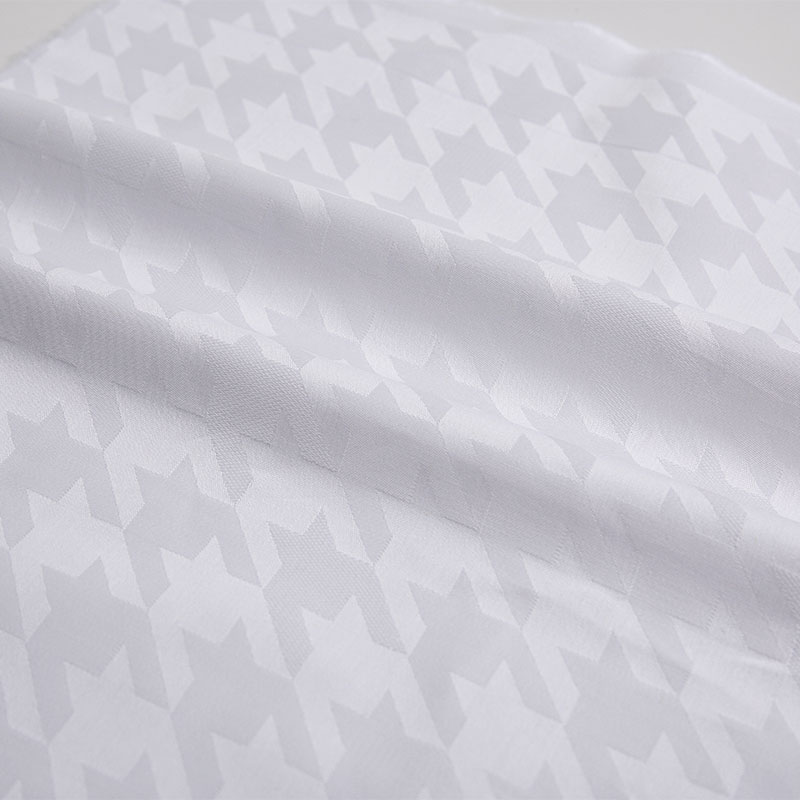
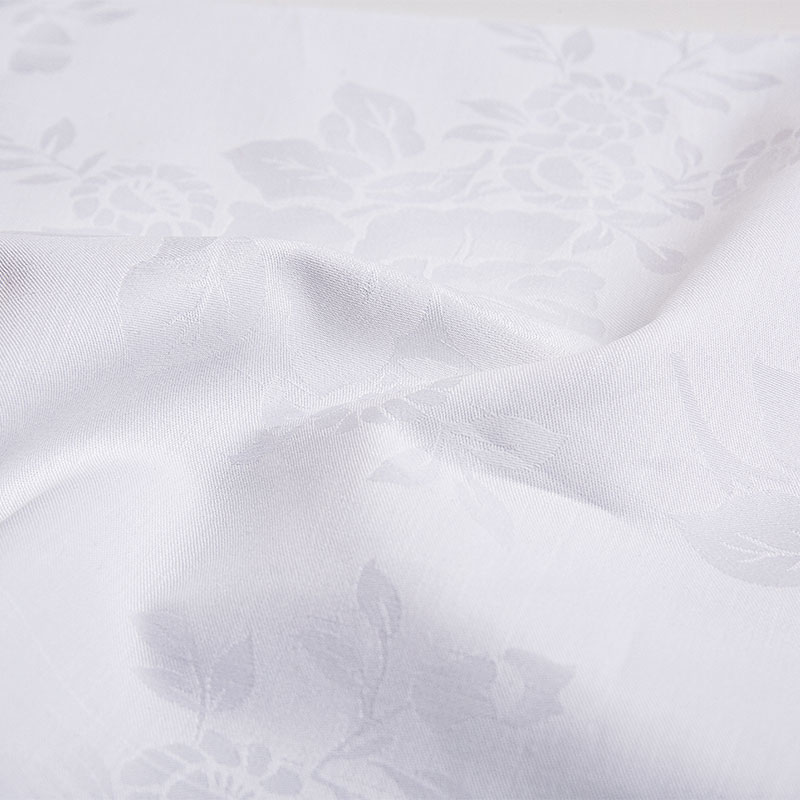
The outer shell of a hotel pillow is typically made from 300–500 thread count 100% cotton, often in a sateen or percale weave. This level of construction serves two purposes: it feels smooth and cool against the skin, and it acts as a tightly woven barrier that prevents fill from escaping and allergens from penetrating.
Most budget retail pillows use polyester-cotton blended shells with thread counts as low as 100–180, which feel rougher, trap more heat, and allow down clusters to poke through over time. The fabric difference alone accounts for a significant part of the "hotel feel" that people try to replicate at home.
Hotel Pillow vs. Regular Pillow: Side-by-Side Comparison
| Feature | Hotel Pillow | Standard Retail Pillow |
|---|---|---|
| Fill Material | 600–800+ fill power down or premium microfiber | Basic polyester fiberfill or low fill power down |
| Shell Fabric | 300–500 TC 100% cotton (sateen or percale) | 100–180 TC poly-cotton blend |
| Average Lifespan | 18–24 months (commercial replacement cycle) | 6–18 months before significant loft loss |
| Firmness Options | Soft + firm options often provided per bed | Single option per product |
| Allergen Protection | Tight weave shell + pillow protectors used | Varies; often no built-in allergen barrier |
| Typical Price | $50–$150+ per pillow (retail equivalent) | $10–$50 per pillow |
The "Two-Pillow Strategy" Hotels Use for Universal Comfort
One of the smartest things premium hotels do is provide two pillows of different firmness levels per guest — typically one soft down pillow and one firmer down-alternative or feather pillow. This allows guests to sleep with one, stack both, or combine them to match their preferred support level regardless of whether they sleep on their back, side, or stomach.
This strategy is one of the most practical takeaways for home use. Rather than searching for a single "perfect" pillow, buying two complementary pillows of different firmness for each sleeper allows personalized configuration — and closely replicates the hotel experience at home.
Why Hotel Pillows Stay Fluffier Longer
Hotel pillows maintain their loft not just because of superior fill, but because of how they are maintained. Hotels follow strict laundering and care protocols that most home users never apply to their own pillows:
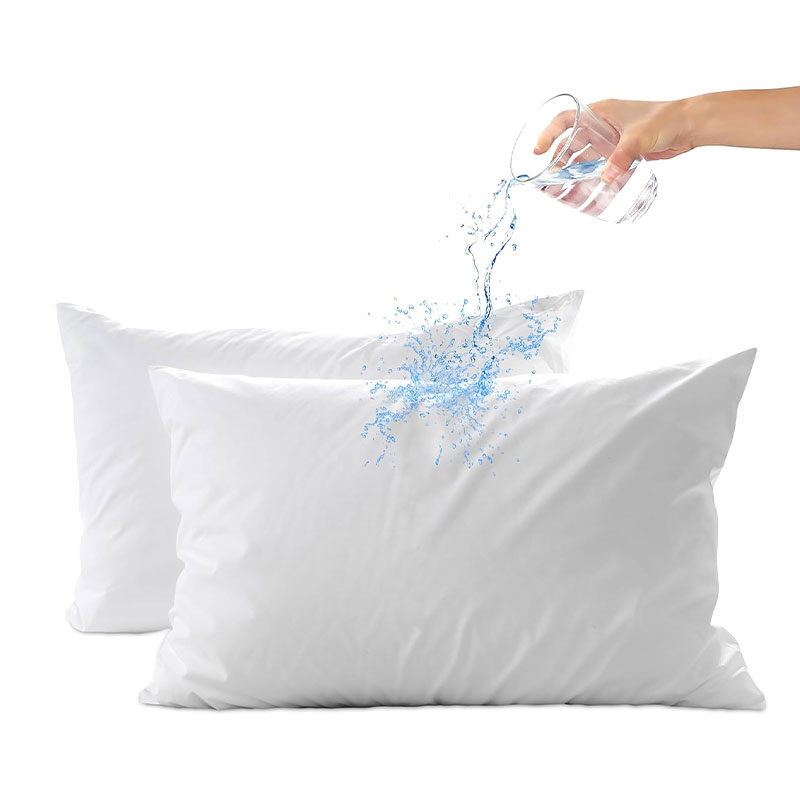
- Pillows are protected by zippered waterproof pillow protectors under every pillowcase, preventing moisture and body oil absorption that degrades fill over time
- Commercial laundering uses lower spin speeds to protect fill clusters, followed by high-heat tumble drying with dryer balls to restore loft
- Pillows are replaced on a fixed 18–24 month cycle regardless of apparent condition — preventing the gradual degradation that home users often fail to notice
- Pillows are fluffed and repositioned daily by housekeeping, preventing permanent compression in one area
How to Recreate the Hotel Pillow Experience at Home
Replicating the hotel pillow feel at home is achievable with the right choices and habits. Here is a practical approach:
- Choose a pillow with 600+ fill power white down or a high-density down-alternative (look for cluster fiber fill, not flat polyester sheets)
- Select a shell with at least 300 thread count 100% cotton in a sateen weave for that smooth, cool-to-touch hotel feel
- Always use a zippered pillow protector under your pillowcase — this single step dramatically extends pillow life
- Wash your pillow every 3–6 months in warm water on a gentle cycle, then tumble dry on low with two clean tennis balls or dryer balls to restore loft
- Replace pillows every 18–24 months — most people wait far too long, sleeping on flat, hygiene-compromised pillows without realizing it
- Consider buying two pillows per person in different firmness levels, as leading hotels do, to allow adjustable support
Top Hotel Pillow Brands Available for Home Purchase
Many of the world's top hotel chains now sell their exact bedding products directly to consumers. Some of the most sought-after options include:
- Marriott Hotels Pillow: Available through the Marriott store; uses a down/feather blend in a 230 TC cotton shell — priced around $70–$90
- Hilton Pillow (Pacific Coast): Features a down-alternative ClimaDry fill designed for allergy sufferers; available for approximately $60–$80
- Four Seasons Down Pillow: One of the most luxurious options; uses 750 fill power Hungarian white goose down — retails at $150–$200+
- Hyatt Grand Bed Pillow: A medium-firm down-alternative option popular with back and side sleepers; priced around $65
Frequently Asked Questions About Hotel Pillows
What fill power should I look for when buying a hotel-style pillow?
For a genuine hotel-quality feel, look for a fill power of 600 or higher. Fill power measures how much space one ounce of down occupies — higher numbers mean more loft, better insulation, and lighter weight. Most luxury hotels use 650–800 fill power down. Fill power below 500 is considered entry-level and will not deliver the same plushness.
Are hotel pillows suitable for allergy sufferers?
Many are not, if they contain real down or feathers. However, most hotels now offer hypoallergenic down-alternative pillows upon request — these use synthetic microfiber clusters that replicate the feel of down without the allergen risk. When shopping for home use, look for pillows labeled "hypoallergenic down alternative" with a tightly woven shell (300+ TC) that acts as a dust mite barrier.
How often should I replace a hotel-quality pillow at home?
Even premium hotel-grade down pillows should be replaced every 18–24 months with regular use. A simple test: fold the pillow in half and release it — a quality pillow in good condition should spring back immediately. If it stays folded or recovers slowly, the fill has degraded and it is time for a replacement. Using a pillow protector can extend this lifespan by 6–12 months.
Can I wash a hotel-style down pillow at home?
Yes, most down and down-alternative pillows are machine washable. Use a front-loading washer on a gentle cycle with warm water and a small amount of mild detergent. Crucially, tumble dry on low heat with two or three dryer balls for 60–90 minutes until completely dry — damp down clusters can develop mildew and permanently lose their loft. Check the care label, as some specialty pillows require dry cleaning.
Why do hotels use so many pillows per bed?
The multi-pillow arrangement serves both aesthetic and functional purposes. Aesthetically, layered pillows signal luxury and attention to detail. Functionally, providing 2–4 pillows per guest in varying firmness allows every sleep position to be accommodated — back sleepers may want one medium pillow, side sleepers typically need a firmer or stacked option, and stomach sleepers prefer a single soft, low-loft pillow. The variety removes the need to ask every guest their preference.
Is a higher thread count shell always better for a pillow?
Not always — but up to a point, yes. A thread count of 300–400 in 100% long-staple cotton (such as Egyptian or Supima) offers the ideal balance of softness, breathability, and down-proof weave tightness. Thread counts above 500 can actually reduce breathability because the fabric becomes too dense, trapping heat. Avoid pillows with artificially inflated thread counts achieved through multi-ply yarns, which feel stiffer and less durable than genuine single-ply high-thread-count fabrics.